ADA-Compliant Concrete Sidewalks: What Property Owners Need to Know
Property owners seeking ADA-compliant sidewalk construction can rely on local contractors to ensure accessible, safe, and compliant concrete sidewalks that meet regulations.
Property owners exploring ada-compliant concrete sidewalks: what property owners need to know are in the right place. Ensuring sidewalks meet accessibility standards is an important consideration for many property owners, especially those managing commercial spaces, public areas, or multi-unit residential properties. Understanding the practical reasons for investing in ADA-compliant sidewalks-such as legal compliance, improved accessibility for visitors, and enhanced property value-can motivate action. Local contractors experienced in sidewalk construction can provide guidance on the requirements and best practices to create safe, accessible pathways that serve all users effectively.
Continuing to learn about ada-compliant concrete sidewalks: what property owners need to know can help make informed decisions about their property improvements. Whether updating existing walkways or installing new ones, property owners benefit from knowing how proper design and construction support accessibility standards. Local service providers who specialize in sidewalk construction are equipped to handle these projects, ensuring that the work aligns with current guidelines and safety considerations. Keep reading to discover more about the key elements involved and how trusted local contractors can assist in making sidewalks accessible and compliant.
- ADA-compliant sidewalk construction - property owners may need this service when upgrading existing walkways to meet accessibility standards, with local contractors focusing on proper slope, width, and surface smoothness.
- Sidewalk repair and replacement - when existing concrete sidewalks are uneven or damaged, service providers can handle modifications to ensure compliance with ADA guidelines.
- Accessible pathway installation - property owners seeking to improve pedestrian access can rely on local pros to design and build compliant, wheelchair-friendly sidewalks.
- Slope and ramp modifications - for properties requiring transitions or curb cuts, local contractors can ensure these features meet ADA slope and dimension requirements.
- Concrete sidewalk expansion projects - when adding new walkways or extending existing ones, service providers can construct ADA-compliant concrete sidewalks that adhere to accessibility standards.
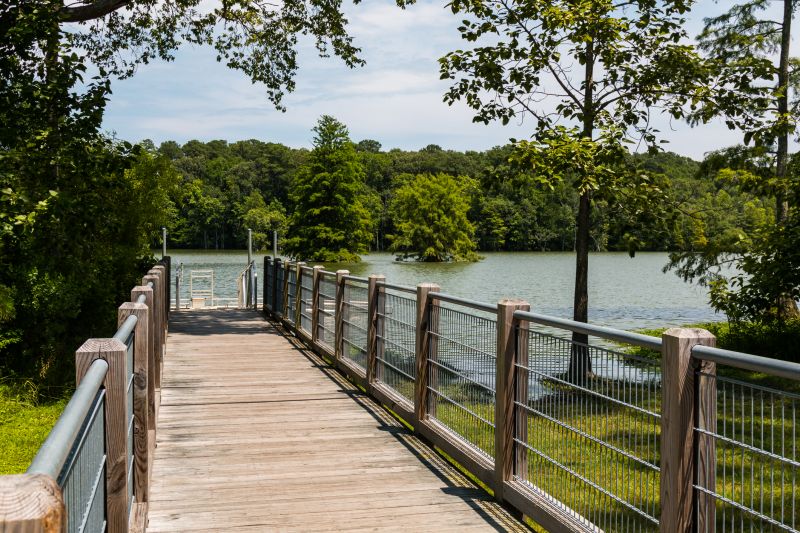

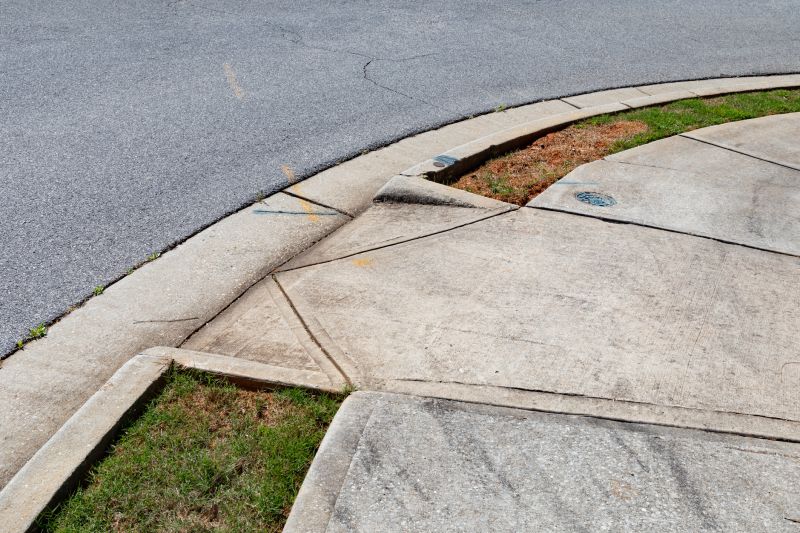
When property owners search for information about ada-compliant concrete sidewalks, they are often looking to understand how accessibility standards impact outdoor walkways and pathways on their property. This topic commonly relates to projects involving the installation or renovation of sidewalks to meet the requirements set forth by the Americans with Disabilities Act (ADA). Property owners may be planning to upgrade existing sidewalks to improve accessibility for individuals with mobility challenges or ensuring new construction projects adhere to legal standards. Understanding what constitutes an ADA-compliant sidewalk helps owners avoid potential legal issues and creates a more inclusive environment for visitors, residents, or customers.
The kinds of problems that lead property owners to explore this topic usually involve uneven, narrow, or poorly maintained sidewalks that are difficult to navigate for people with disabilities. Many projects focus on making outdoor pathways accessible by ensuring proper slope, width, and surface smoothness. Additionally, property owners might be considering plans to add ramps, tactile indicators, or curb cuts to enhance overall accessibility. Local contractors who specialize in ada-compliant sidewalk construction can help address these issues by designing and building walkways that meet all relevant standards. These professionals understand how to integrate accessibility features seamlessly into existing property layouts, ensuring compliance while maintaining aesthetic appeal.
Typically, ada-compliant concrete sidewalks are relevant for a variety of property types, including commercial buildings, public parks, residential complexes, and municipal facilities. Commercial properties, such as shopping centers or office complexes, often need to meet ADA standards to accommodate visitors and employees. Public spaces like parks or community centers also have a responsibility to provide accessible pathways for all visitors. Residential property owners may undertake sidewalk upgrades to improve access for family members or guests with mobility challenges. Local service providers experienced in ada-compliant sidewalk construction understand the specific requirements for each property type and can help develop tailored solutions that ensure accessibility and compliance.
When exploring ada-compliant concrete sidewalks, property owners should recognize the importance of working with local contractors who understand the standards and best practices for accessible sidewalk design. These professionals can assist with planning, designing, and constructing pathways that meet ADA guidelines, including proper slope, width, tactile features, and surface smoothness. Engaging with experienced service providers ensures that the project aligns with legal requirements while also considering the specific needs of the property and its users. By partnering with local pros, property owners can help create safe, accessible outdoor spaces that serve everyone effectively and meet necessary regulations.
Accessible Pathway Construction - local contractors who specialize in creating accessible routes ensure compliance with ADA standards, similar to sidewalk projects focused on curb ramps and tactile surfaces.
Curb Ramp Installation - professionals experienced in installing curb ramps understand the importance of smooth transitions and proper grading, paralleling sidewalk ADA compliance requirements.
Parking Lot Accessibility Improvements - service providers who upgrade parking areas for accessibility often work on adjacent sidewalks to meet ADA guidelines for property accessibility.
Public Space Renovation Projects - local contractors involved in public space upgrades frequently handle sidewalk modifications to enhance accessibility for all users.
Concrete Repair and Resurfacing - experts in concrete work can address existing sidewalk issues, ensuring surfaces are smooth, level, and compliant with ADA standards.
Landscape and Hardscape Design - professionals designing accessible outdoor spaces incorporate ADA-compliant pathways, requiring similar planning and concrete skills.
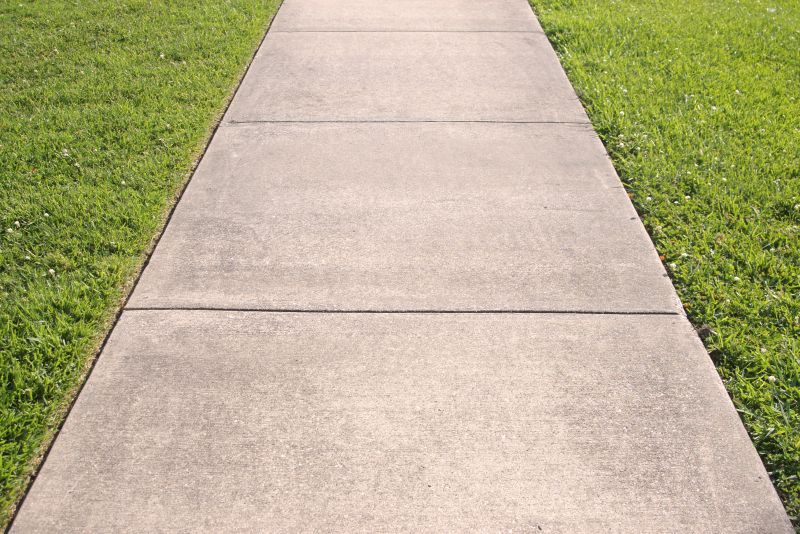
When evaluating service providers for ada-compliant concrete sidewalks: what property owners need to know, experience with similar projects is a key factor to consider. Contractors who have handled sidewalk installations that meet ADA standards are more likely to understand the specific requirements, such as proper slope, accessible ramps, and surface texture. Reviewing their portfolio or asking about previous projects can provide insight into their familiarity with ADA guidelines and their ability to deliver compliant, durable sidewalks that integrate seamlessly with existing property features.
Clear, written expectations are essential for ensuring a smooth project process. Property owners should seek out local contractors who can provide detailed proposals outlining the scope of work, materials to be used, and compliance standards. Having these expectations documented helps prevent misunderstandings and ensures that both parties are aligned on project goals. It also facilitates better communication throughout the project, making it easier to address any questions or adjustments that may arise during construction.
Reputable references and effective communication are vital components when choosing service providers. Local contractors with positive references from previous clients can offer reassurance about their reliability and professionalism. Good communication-whether through timely responses, clarity in explanations, or transparency about progress-can significantly impact the overall experience. Property owners should prioritize providers who demonstrate a willingness to listen, answer questions thoroughly, and keep them informed, as these qualities contribute to a successful project that meets ADA-compliance standards and personal expectations.
Property owners often search for ada-compliant concrete sidewalks: what property owners need to know when they are planning practical projects around their homes and businesses. Local pros provide ADA-Compliant Sidewalk Construction services for everyday jobs and straightforward project options.
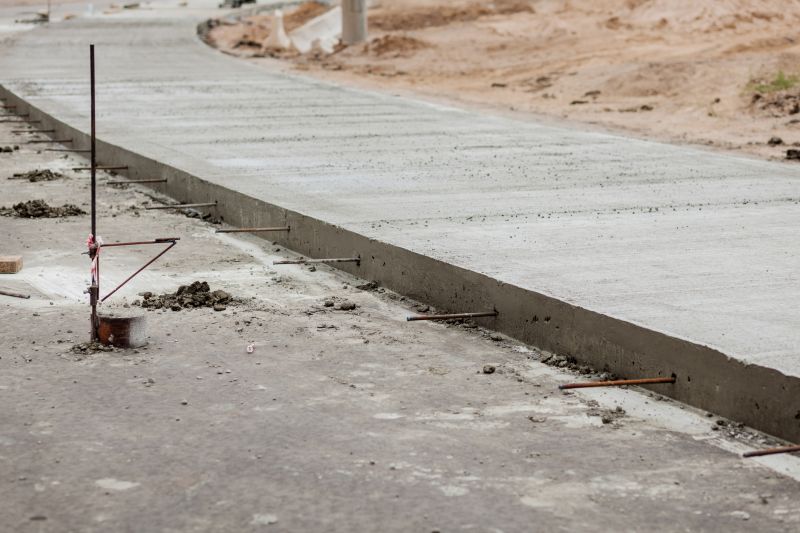
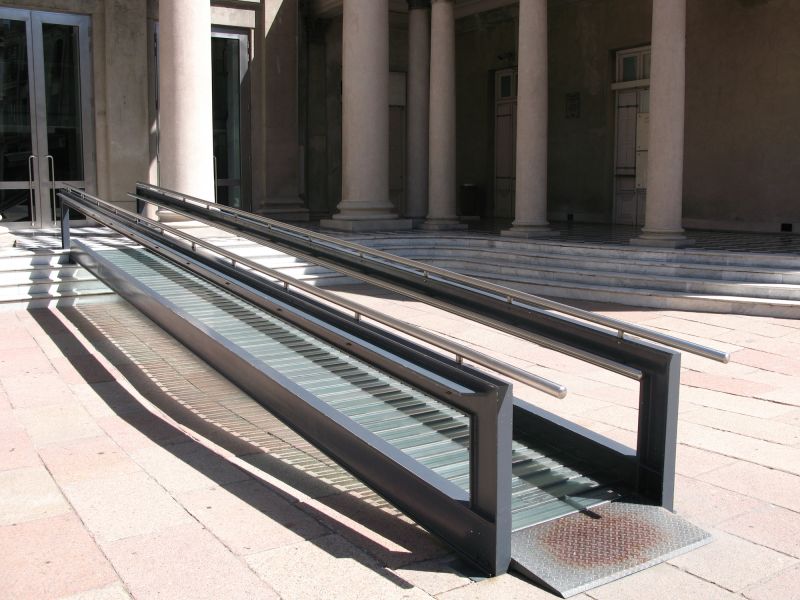
Property owners in the area often look up information about ada-compliant concrete sidewalks: what property owners need to know when planning or updating their walkways. Whether it's for a commercial property, a residential complex, or a public space, ensuring sidewalks meet accessibility standards is an important consideration. Simple projects like repairing uneven surfaces, adding ramps, or widening pathways can benefit from understanding the basic requirements for ADA compliance, making walkways safer and more accessible for everyone. Local contractors who specialize in sidewalk construction can assist with these updates, helping property owners navigate the necessary specifications and installation processes.
Many property owners seek out local service providers when they realize that existing sidewalks may not meet ADA standards or when planning new installations. These projects often involve more than just pouring concrete; they require attention to specific measurements, slope, and surface texture to ensure accessibility. Connecting with experienced contractors can make the process smoother, providing guidance on the best practices for ADA-compliant sidewalk construction. Whether it's a small repair or a complete overhaul, local pros can help property owners meet necessary guidelines while improving the safety and functionality of their outdoor spaces.
What are the key requirements for ADA-compliant concrete sidewalks? ADA-compliant sidewalks must have a maximum slope of 1:12, smooth and stable surfaces, and accessible curb ramps where necessary. Local contractors can ensure these standards are met during construction or renovation projects.
How do I know if my existing sidewalk needs to be upgraded to meet ADA standards? An assessment by local service providers can determine if your sidewalk has slopes, surface issues, or curb ramps that do not comply with ADA guidelines, indicating the need for upgrades.
What features should I ask for when hiring contractors for ADA-compliant sidewalk construction? Request features such as proper slope, tactile warning surfaces, accessible curb ramps, and smooth, slip-resistant surfaces to ensure compliance with ADA requirements.
Are there specific materials recommended for ADA-compliant sidewalks? Concrete is commonly used due to its durability and ability to be finished smoothly. Local pros can select and install materials that meet ADA standards for safety and accessibility.
Why is it important to work with local contractors for ADA-compliant sidewalk projects? Local service providers are familiar with regional codes and standards, helping to ensure that the sidewalks are built to meet ADA requirements and are suitable for the specific property location.
Understanding accessibility guidelines - Property owners should familiarize themselves with ADA standards to ensure sidewalks are accessible for all users, making it easier for local contractors to design compliant features.
Planning for proper slope and width - Ensuring sidewalks have appropriate slopes and widths can prevent obstacles for wheelchair users and pedestrians, with local service providers helping to implement these specifications.
Choosing durable, slip-resistant surfaces - Selecting concrete finishes that are slip-resistant enhances safety and accessibility, and local contractors can recommend suitable materials for ADA-compliant sidewalks.
Incorporating curb ramps and tactile indicators - Adding curb ramps and tactile paving improves accessibility at transitions and crossings, with local pros able to integrate these elements into sidewalk projects effectively.
If you are thinking about ada-compliant concrete sidewalks: what property owners need to know for a property, this guide is meant to help you understand this topic, the typical project types, and how different options might fit your plans.
When you are ready, you can use the quote form on this page to share a few details about your project. From there, local pros can review the basics and follow up with options that match what you have in mind.